
Rotherham · since 1974
Send us the duty.
We will send back a measured curve.
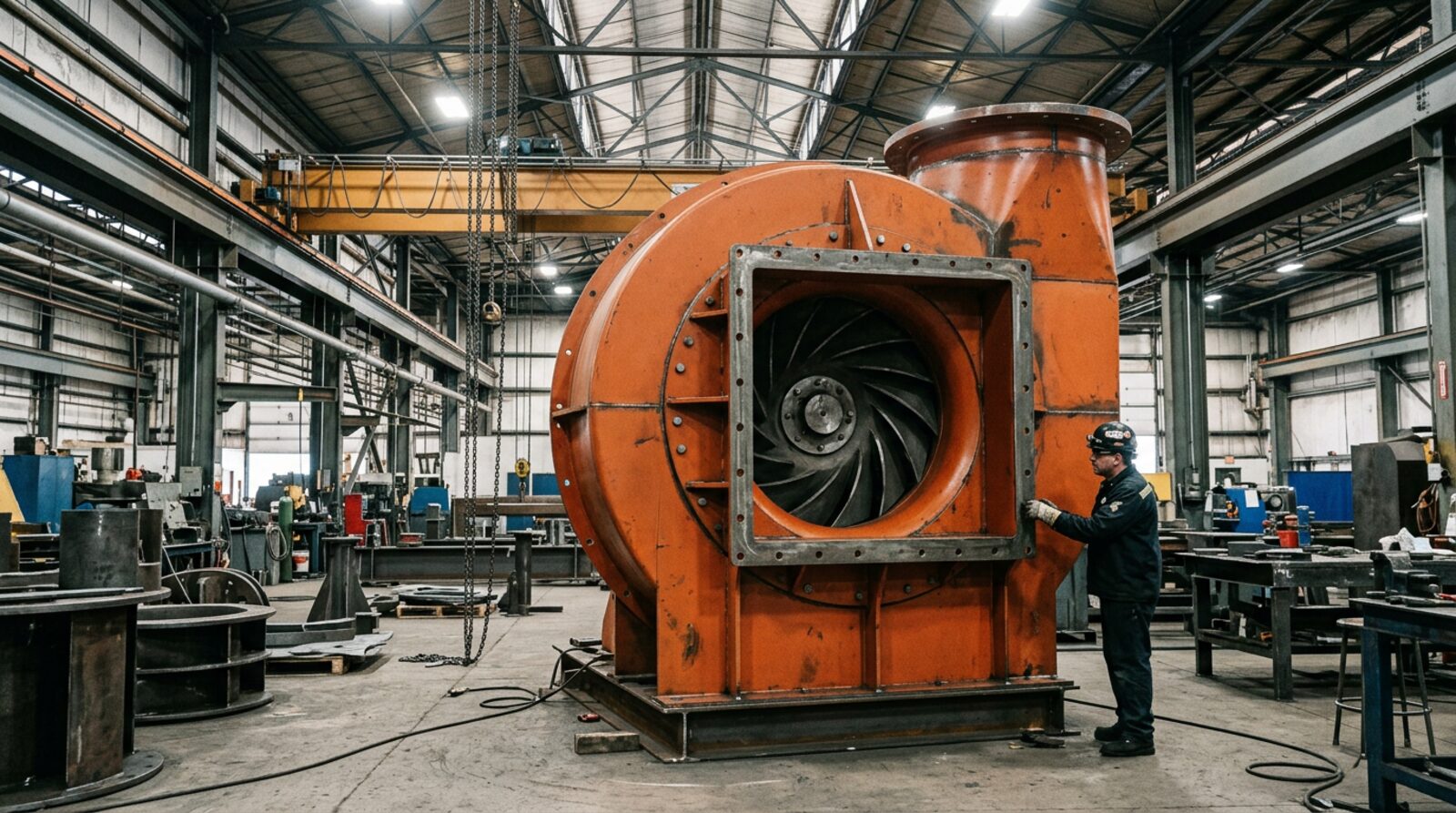
We cut, weld, machine, balance and test every fan in one building in Templeborough. The curve you get is the one our own chamber recorded against your order number — not a range chart reprinted from 2011.
- Volume
- 0.1 – 90 m³/s
- Static pressure
- to 12,000 Pa
- Air temperature
- to 550°C
- Tested to
- ISO 5801
Selection
Where each range works
Volume across, static pressure up, both logarithmic. Find your duty point and the block it falls in is the range we would build — and if it falls in two, ring us.
Volume, m³/s — logarithmic
Both axes are logarithmic. Jet and impulse fans are rated by thrust rather than by volume against pressure, so they do not appear on this plot — which is the honest answer rather than a missing block.
| Range | m³/s | Pa, max | Air temp. |
|---|---|---|---|
| Centrifugal fans | 0.4 – 63 | 8,000 | 200°C |
| Axial fans | 0.2 – 90 | 2,500 | 70°C |
| Smoke extract fans | 1 – 45 | 1,600 | 600°C |
| Jet & impulse fans | — | — | Thrust 30 – 120 N |
| Roof units | 0.1 – 12 | 900 | 60°C |
| Process & high-temperature fans | 0.5 – 40 | 12,000 | 550°C |
Fan ranges
Six ranges, compared
The whole catalogue on one screen. Every figure here is the built envelope and every range is designed, fabricated and tested on our own site.
| Range | Volume, m³/s | Static pressure, Pa | Air temperature | Typically specified for |
|---|---|---|---|---|
| Centrifugal fans | 0.4 – 63 | to 8,000 | to 200°C | Process extract, dust, high static-pressure duct systems |
| Axial fans | 0.2 – 90 | to 2,500 | to 70°C | General building ventilation, tunnels, high volume at low resistance |
| Smoke extract fans | 1 – 45 | to 1,600 | to 600°C | Fire strategy: stairwells, corridors, car parks, atria |
| Jet & impulse fans | Thrust 30 – 120 N | — | to 300°C, F300 | Ductless car park and tunnel ventilation |
| Roof units | 0.1 – 12 | to 900 | to 60°C | Roof-level general extract, kitchens, toilet cores |
| Process & high-temperature fans | 0.5 – 40 | to 12,000 | to 550°C | Hot gas, abrasive and corrosive duties, energy from waste |
Why the balance matters
An unbalanced impeller destroys everything bolted to it
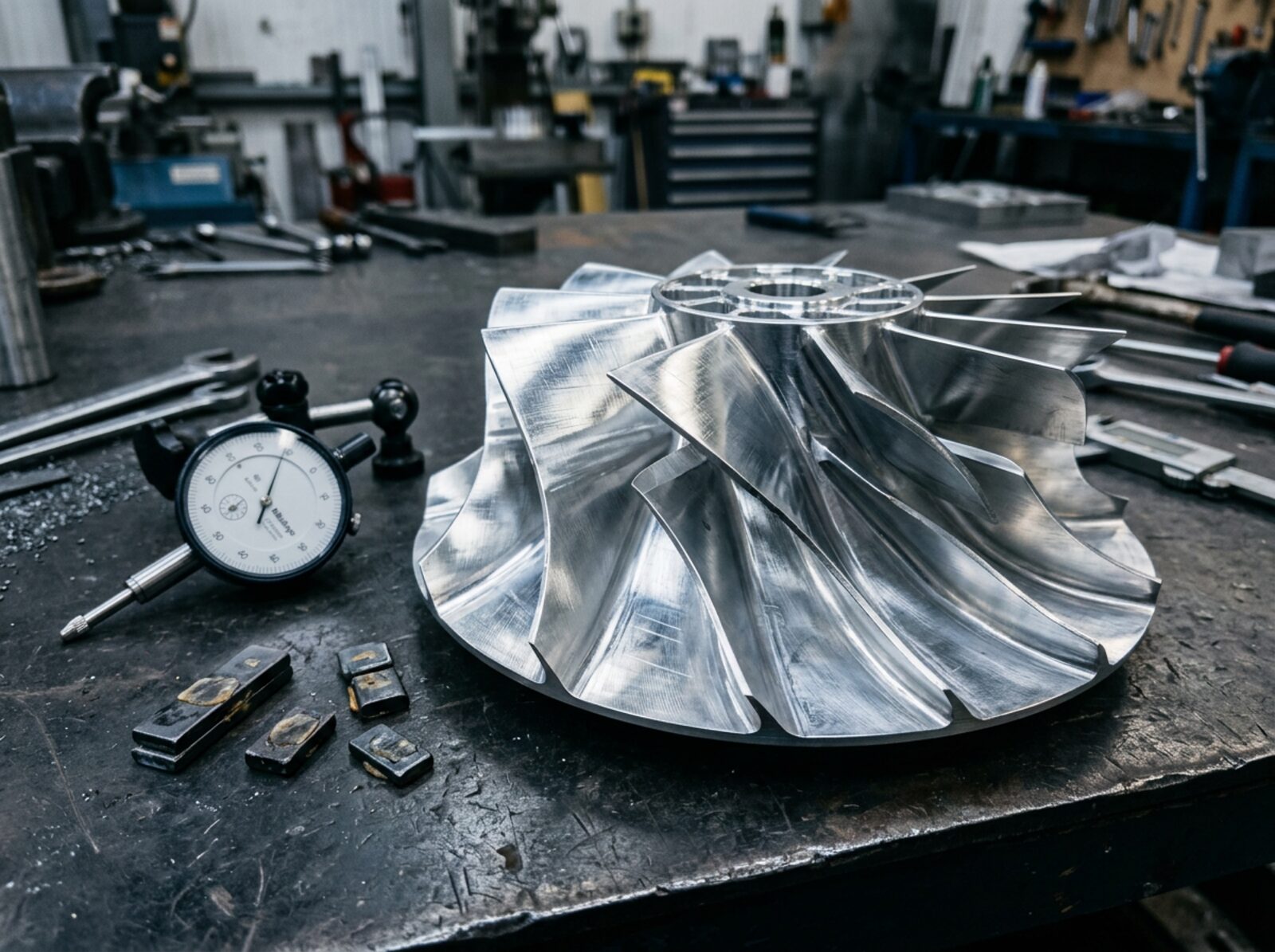
Most fan failures we are called out to are not fan failures. They are bearing failures caused by an impeller that left its maker slightly out of balance, ran for eight thousand hours, and took the bearings, the shaft and eventually a section of supporting steelwork with it.
We machine and dynamically balance every impeller here, to ISO 21940 grade G2.5 as standard and G1.0 where the building will not tolerate the vibration. The balance certificate ships with the fan. It is the least glamorous document in the pack and the one worth reading.
- 1974
- Manufacturing in Rotherham
- 63 m³/s
- Largest single fan built
- ISO 5801
- Tested in our own chamber
- 11
- Current EN 12101-3 certificates
How we work
Six stages, and an engineer at each one
There is no configurator on this website. There is a phone number, and someone who has designed fans for twenty years on the other end of it.
Selection and duty
An engineer picks the fan, not a configurator. That means you get a phone call about the system resistance rather than a catalogue page, and it is where most of the running cost of the next fifteen years is actually decided.
Design and drawing
Casings, kerbs, guards and mountings drawn in 3D to your interfaces. General arrangement drawings inside five working days on standard ranges, ten on specials.
Fabrication
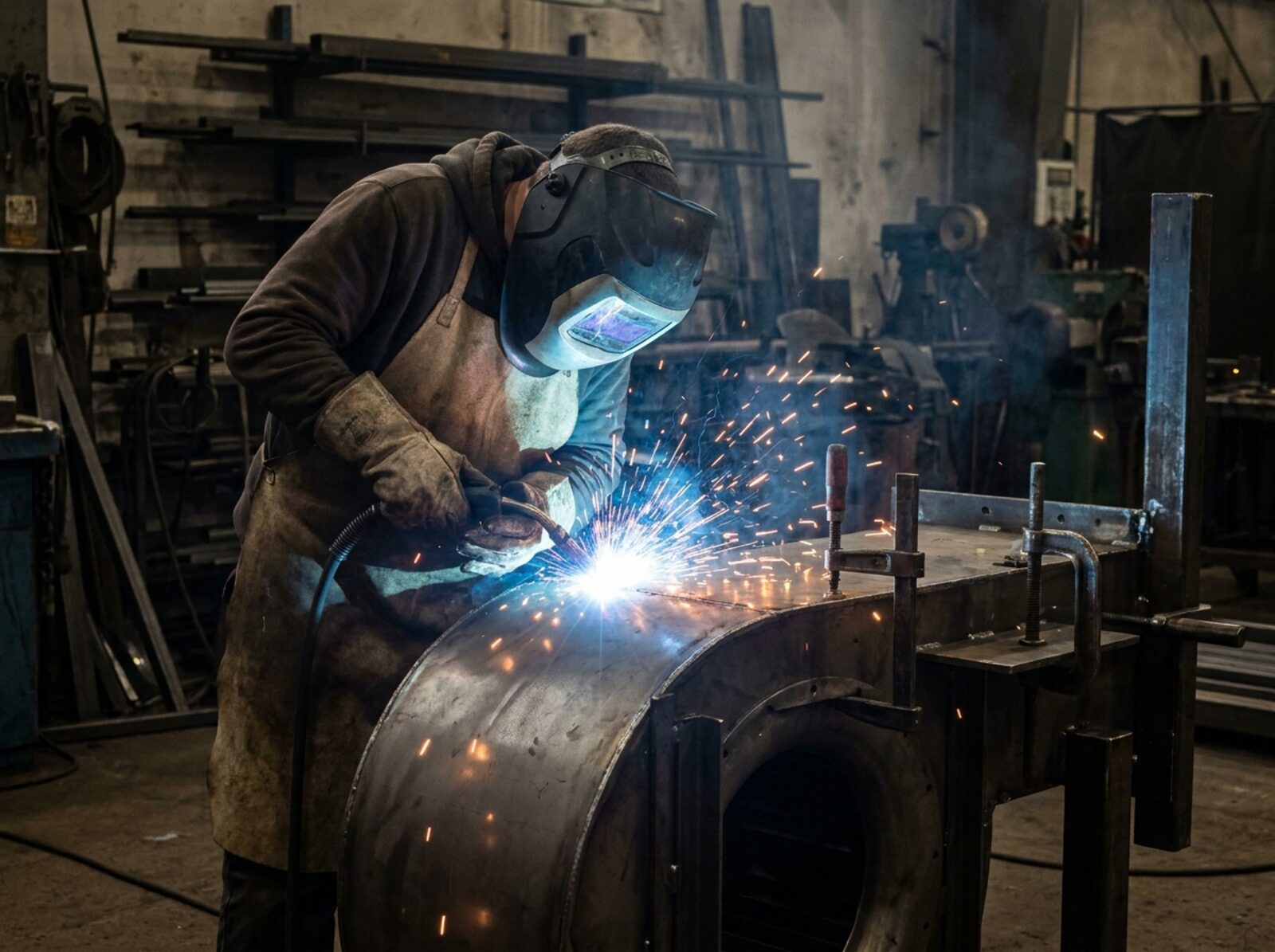
Cut, formed, welded and painted in one building in Rotherham. Impellers machined and dynamically balanced on site — we do not subcontract the part that decides whether the fan survives.
Test
Every fan runs on the rig before it ships. Aerodynamic testing to ISO 5801 in our own chamber, with the measured curve issued against the order rather than a catalogue curve reprinted.
Commissioning
On site to set pitch, prove duty and hand over the readings. Two of our engineers are commissioning-qualified, which stops the familiar argument about whose number is right.
Aftercare
Spares held for every fan we have built since 1998, planned maintenance visits, and impeller re-balancing in situ. The oldest unit we still support went in during 1981.
Sectors
Where these fans end up
The duty changes the fan far more than the sector does — but the paperwork, the access and the consequences of a failure change with it.
Tunnels & metro
Longitudinal and semi-transverse schemes, reversible axial and jet fans, and the fire case modelled rather than assumed. Nine schemes since 2019.
Car parks
Impulse ventilation with the CFD to justify the layout, F300 rated throughout, and a control philosophy that satisfies building control at first submission.
Data centres
Redundant extract and smoke clearance, N+1 arrangements, and vibration limits set by the building rather than by the fan standard.
Food & process
Washdown-rated stainless casings, wet duties, and impellers that can be pressure-cleaned without unbalancing themselves.
Energy from waste
Induced and forced draught to 550°C, wear-lined scrolls, and bearing arrangements designed for a hot shutdown.
Marine & offshore
Salt-laden air, coated or 316 throughout, ATEX Zone 1 and 2, and paperwork built for a class survey.
Issued with every fan
The document pack
Eight documents, one order number. The first two are the ones an engineer keeps.
- Measured performance curve against your order number
- Balance certificate, with the residual unbalance recorded
- Sound power levels by octave band, measured not calculated
- Motor and bearing data sheets, with greasing intervals
- General arrangement drawing as built, in PDF and STEP
- EN 12101-3 certificate number where the fan is fire-rated
- Declaration of conformity, and the notified body file for ATEX units
- Spares list with our part numbers and the original manufacturer’s
News
What we have been writing about
Including the time we found our own published curves were optimistic and had to write to everyone holding a quotation.
14 July 2026
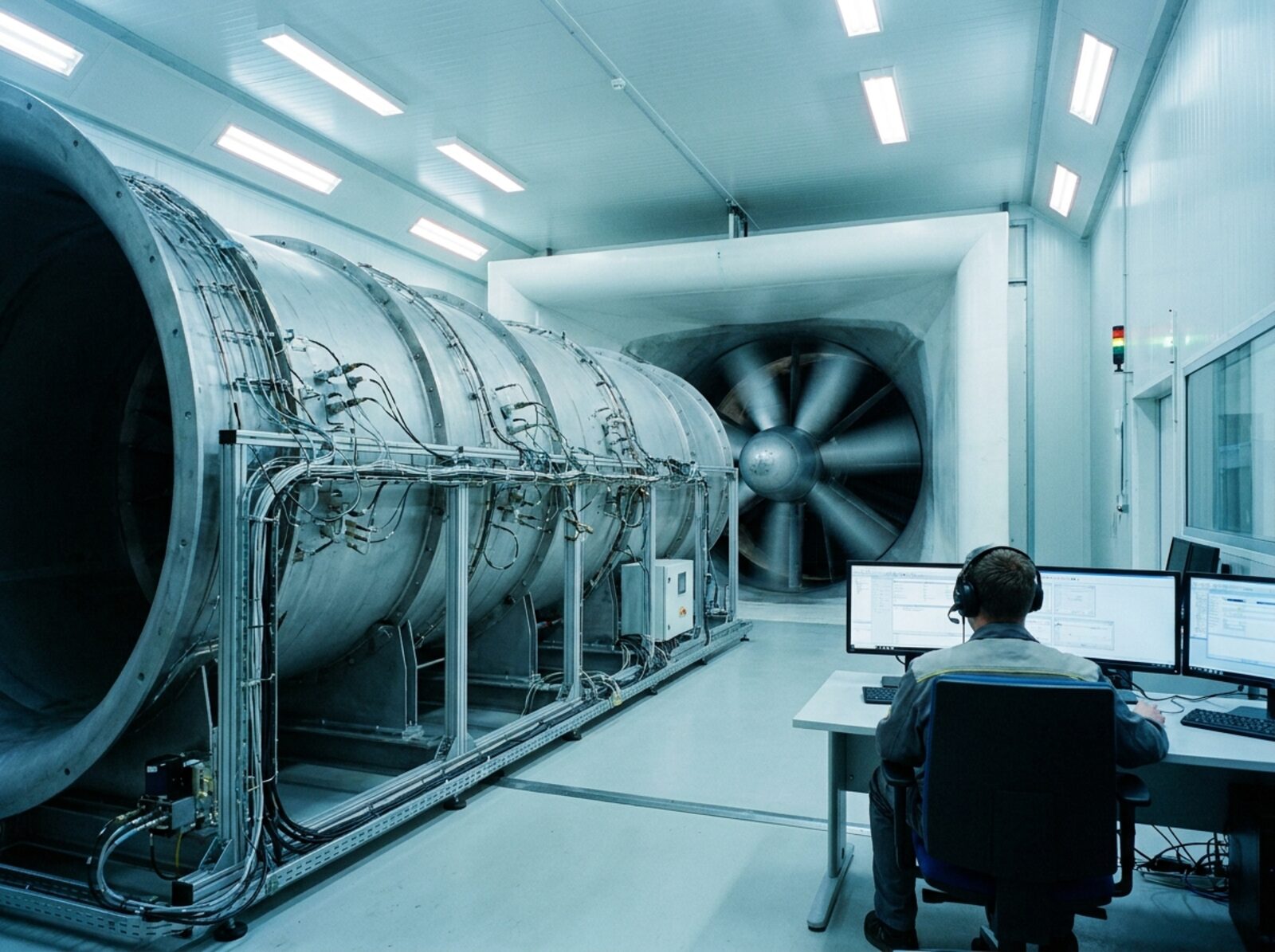
We rebuilt the test chamber, and the numbers moved
A new inlet plenum, calibrated nozzles and a properly conditioned upstream length. Two published curves changed as a result, and we reissued them.
19 June 2026
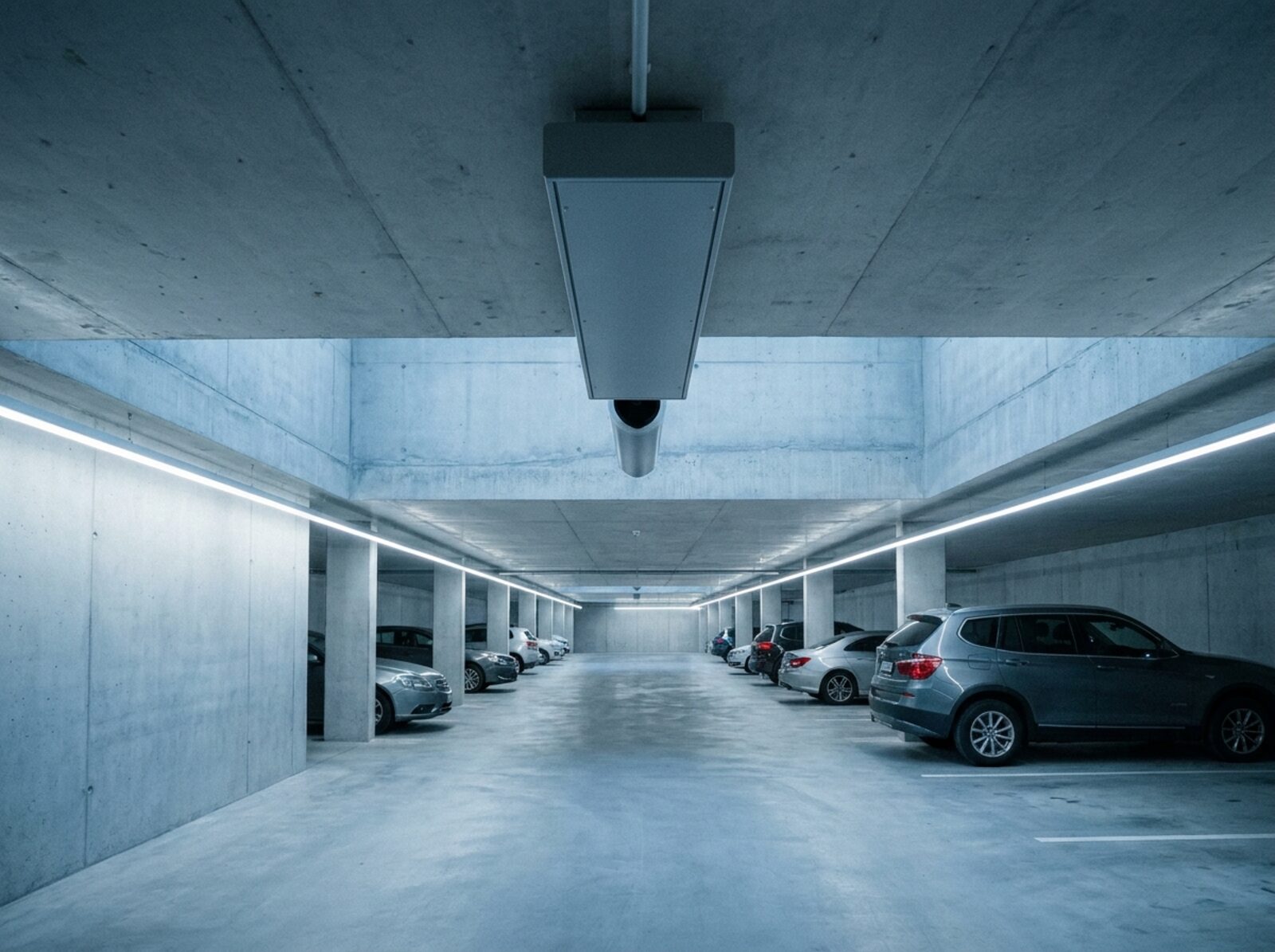
Why we now model every impulse scheme before we quote it
Two schemes in five years had a dead zone that nobody predicted from a plan view. Modelling costs us about a day and it has stopped both arguments happening again.
5 May 2026
Holding spares for fans we sold in 1998
Bearings, belts, impellers and motor frames for every fan built in the last twenty-eight years. The commercial argument for it is worse than you would think, and we are keeping it.
- ISO 9001
- Quality management
- ISO 14001
- Environmental
- ISO 45001
- Health & safety
- EN 12101-3
- Smoke extract
- ATEX 2014/34/EU
- Explosive atmospheres
Next step
Send us the duty and we will send back a curve
Volume, static pressure, air temperature and what is in it. If you only have two of those, ring us and we will work out the rest.