
Fan ranges
Six ranges
Between them they cover 0.1 to 90 m³/s, static pressures to 12,000 Pa and air temperatures to 550°C. If your duty sits between two ranges, we will tell you which one we would build and why.
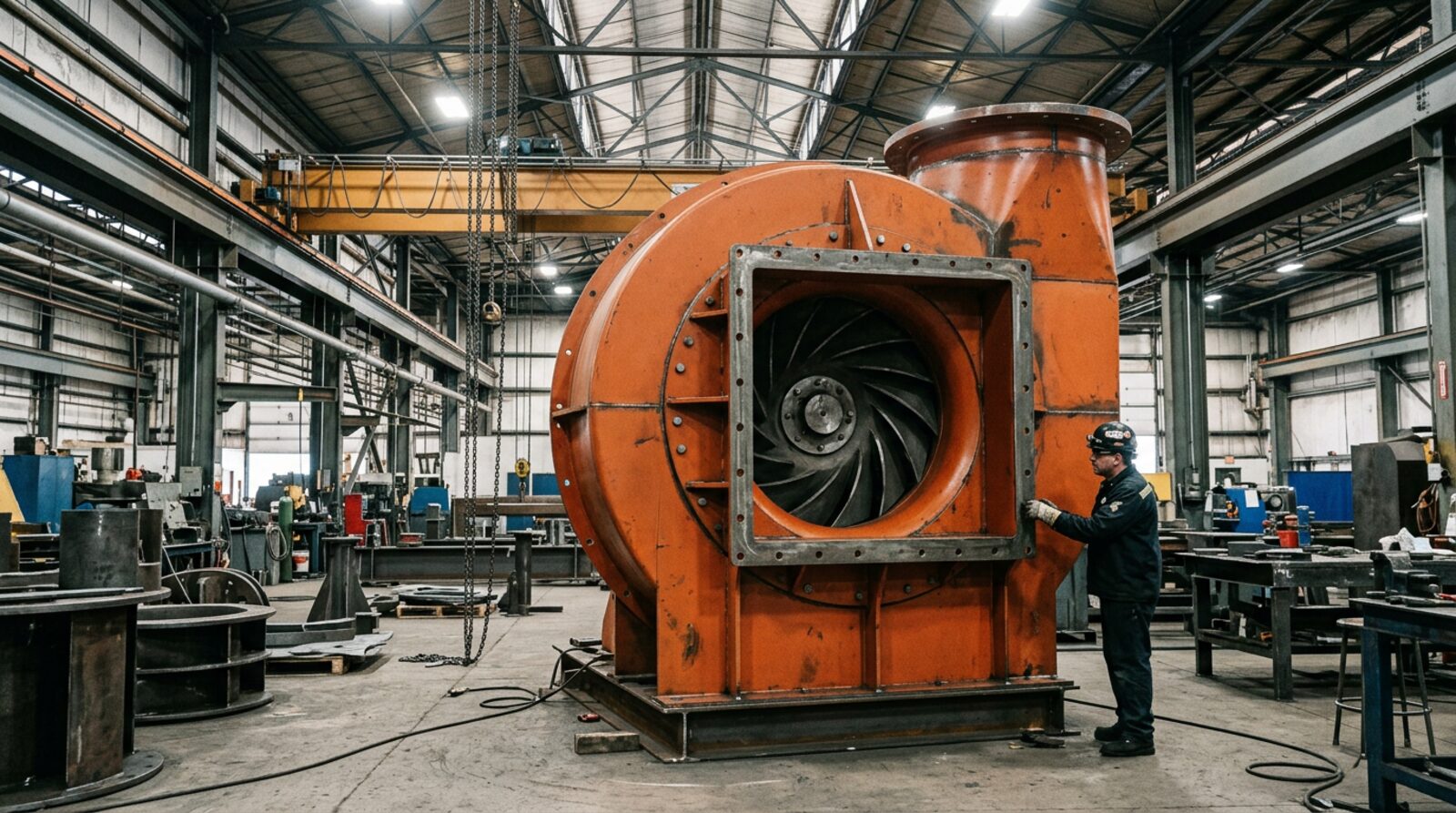
Centrifugal fans
Backward-curved and forward-curved impellers in welded steel casings, from 0.4 to 63 m³/s against static pressures to 8,000 Pa.
Specification →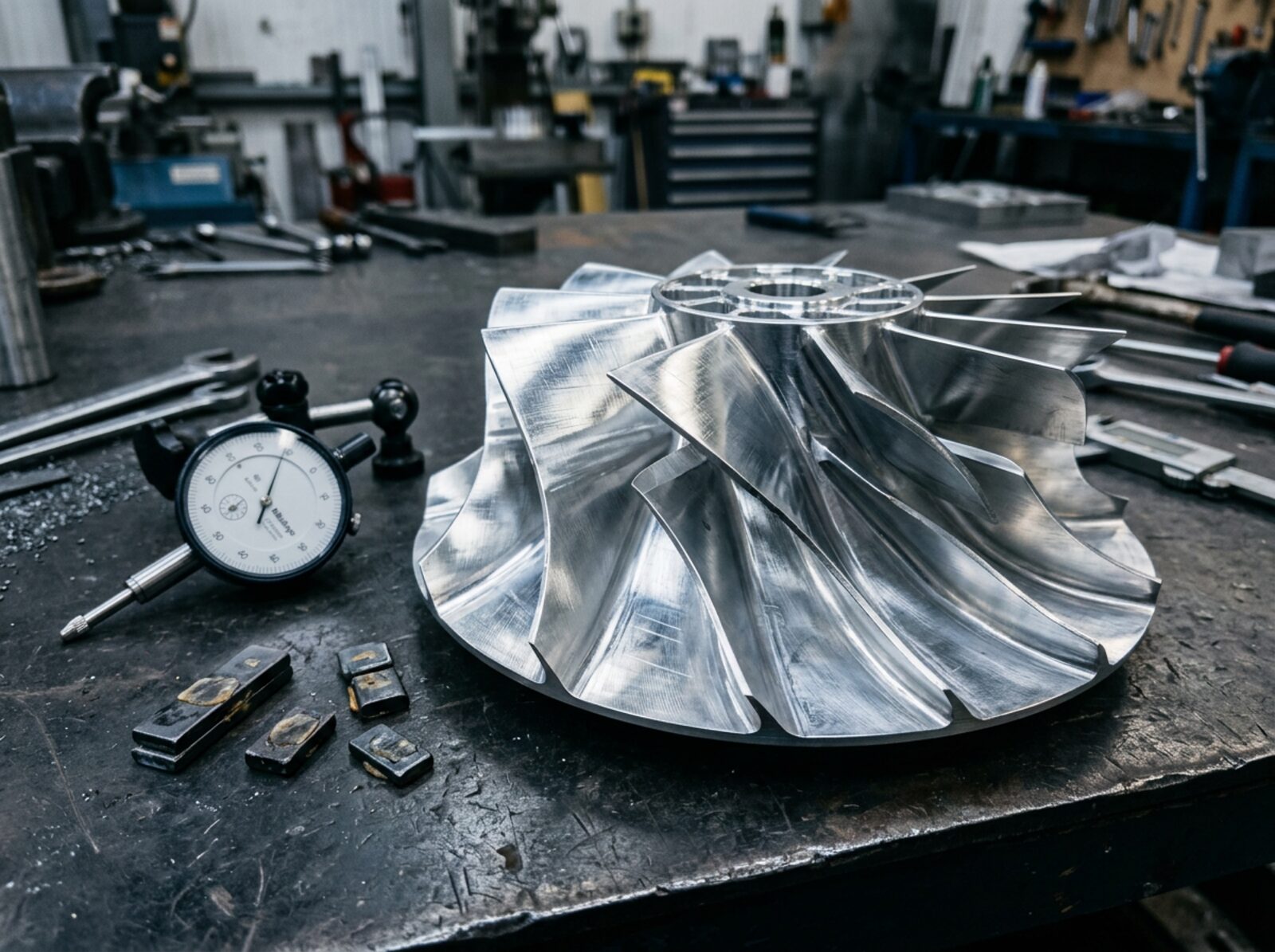
Axial fans
Cast aluminium aerofoil impellers with adjustable pitch, in short or long cased bifurcated arrangements to 90 m³/s.
Specification →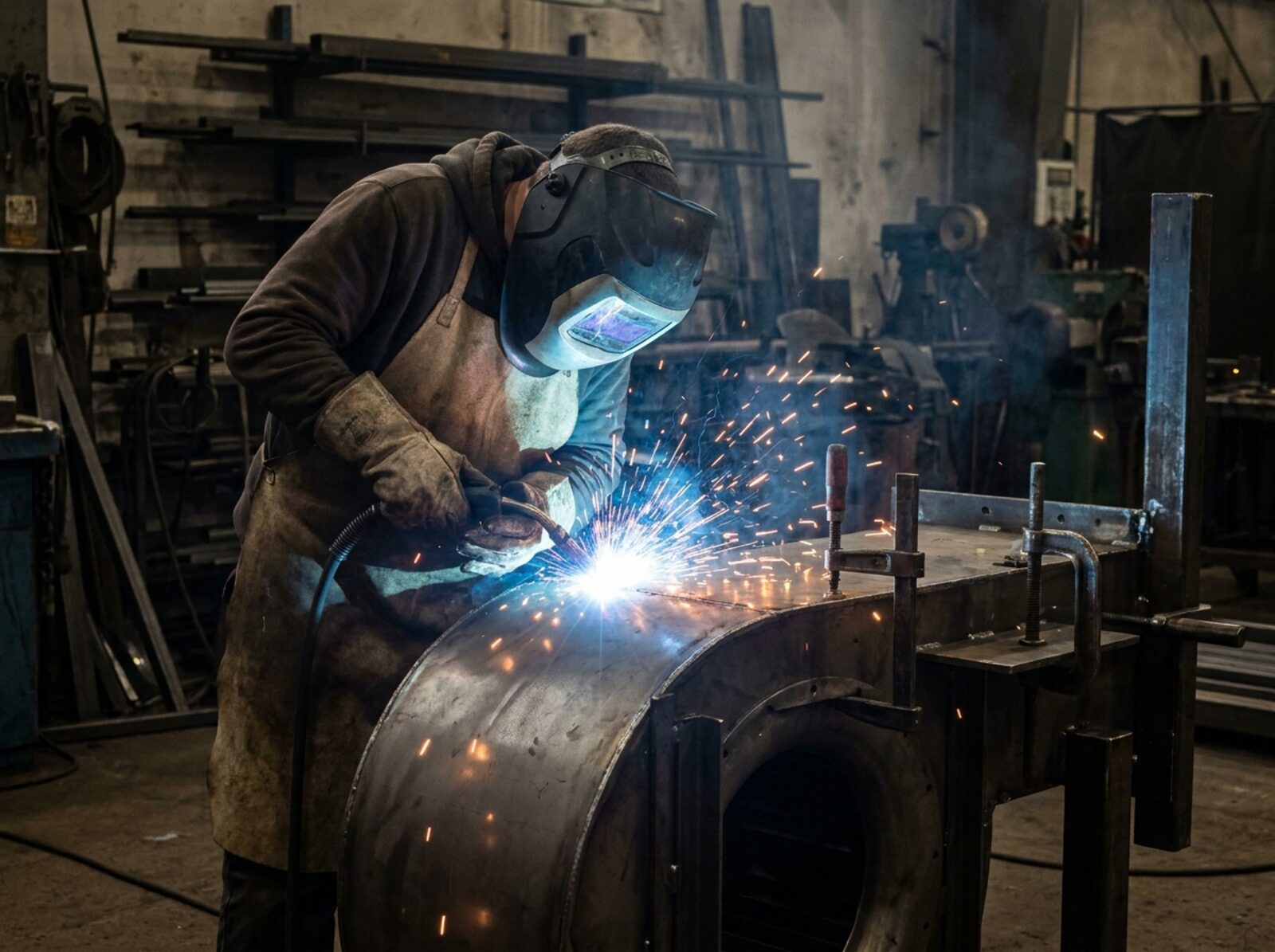
Smoke extract fans
F300, F400 and F600 rated to EN 12101-3, third-party certified, with the certificate numbers on the nameplate.
Specification →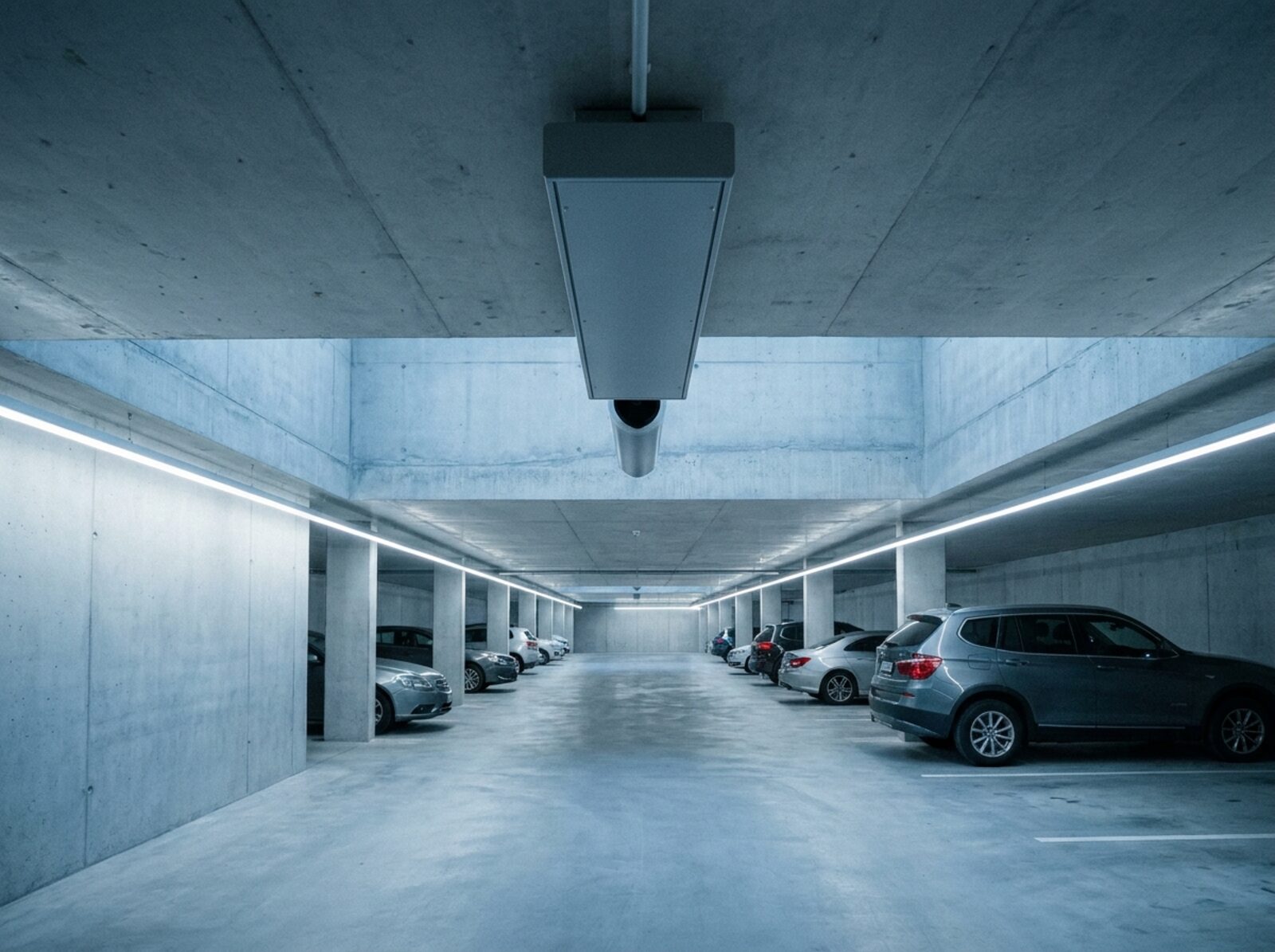
Jet & impulse fans
Induction ventilation for car parks and tunnels — thrust from 30 to 120 N, reversible, with the CFD model to justify the layout.
Specification →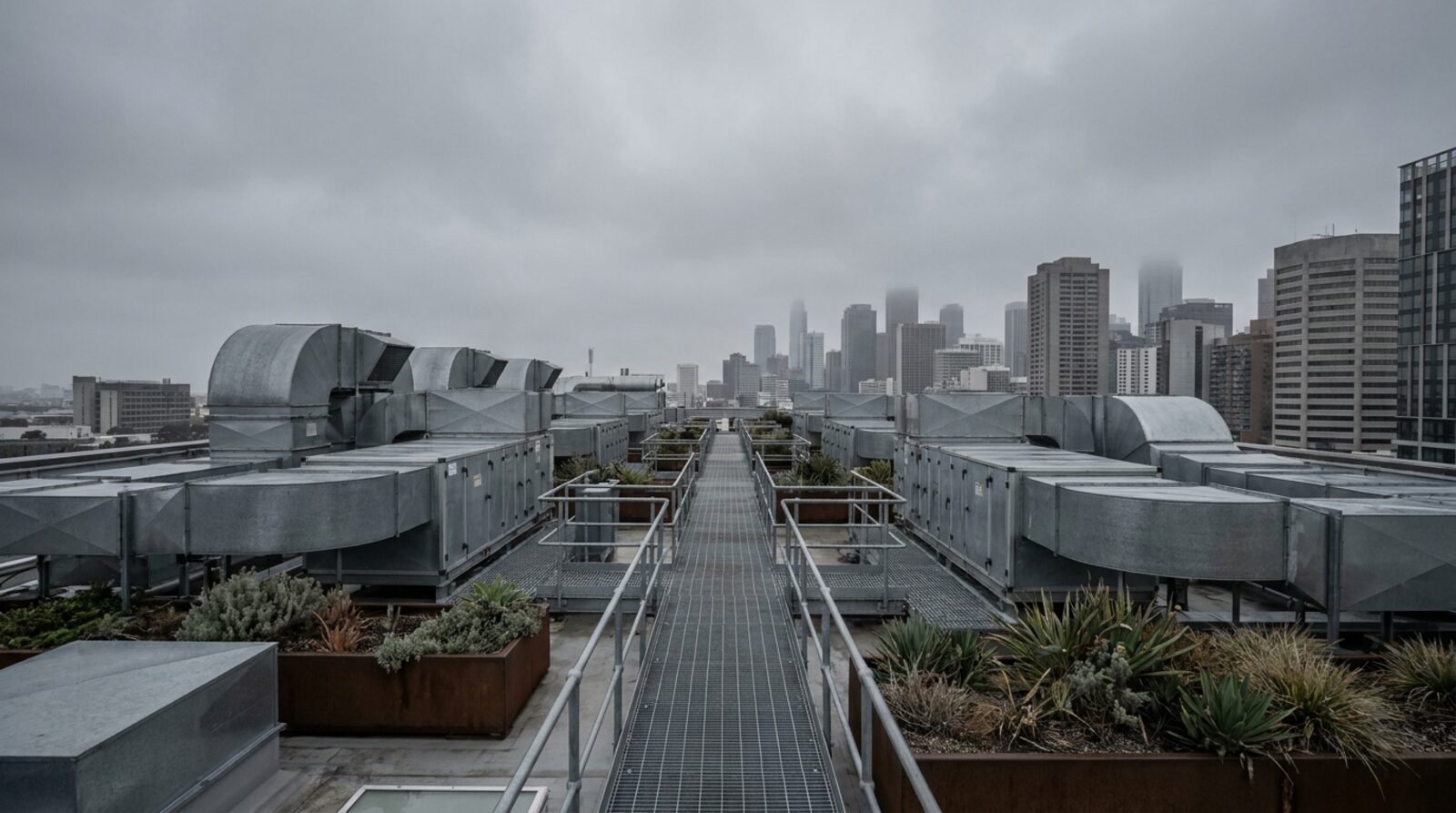
Roof units
Vertical and horizontal discharge roof extract in galvanised or coated steel, with weathered kerbs and a hinged cowl.
Specification →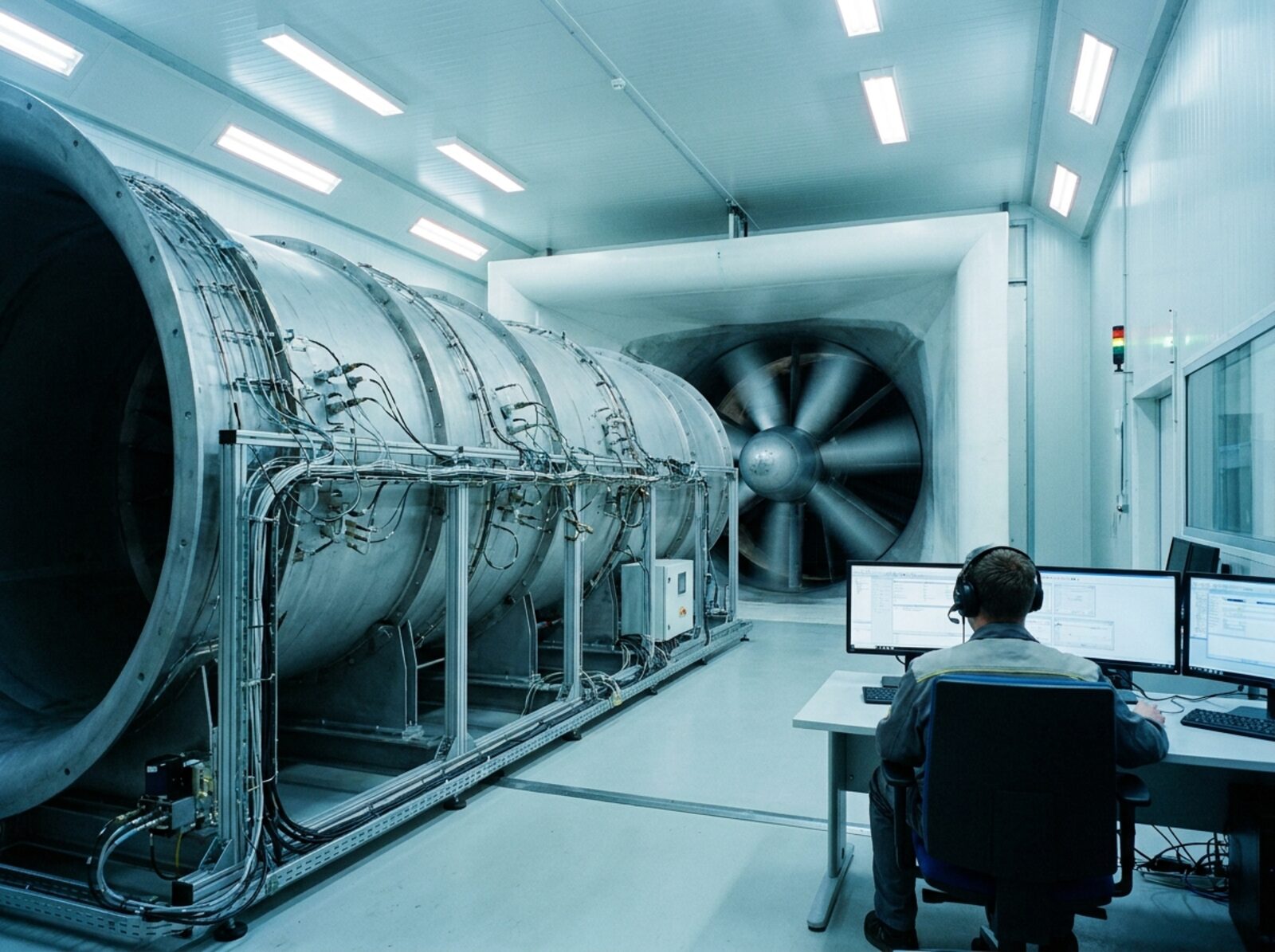
Process & high-temperature fans
Hot gas, abrasive and corrosive duties to 550°C, with shaft cooling, wear liners and materials chosen for the actual gas.
Specification →Choosing between them
Pressure decides it, not volume
The question we are asked most often is centrifugal or axial, and the answer is almost always decided by the system resistance rather than the volume. Below about 800 Pa an axial fan will do the job in a smaller, lighter, cheaper case. Above about 1,500 Pa a centrifugal will do it at a materially better efficiency, and the difference compounds across a fifteen-year run.
Between those two figures it is genuinely arguable and depends on the space, the noise limit and how the fan has to be got in and out of the building. That is a conversation, not a lookup table.
What we would ask you for: volume, static pressure, air temperature, what is entrained in the air, the noise limit at the nearest sensitive receptor, and the largest thing that will fit through the plant room door. Two of those six and we can usually get started.
Accreditation
Certificates held
- ISO 9001
- Quality management
- ISO 14001
- Environmental
- ISO 45001
- Health & safety
- EN 12101-3
- Smoke extract
- ATEX 2014/34/EU
- Explosive atmospheres
Next step
Send us the duty and we will send back a curve
Volume, static pressure, air temperature and what is in it. If you only have two of those, ring us and we will work out the rest.