
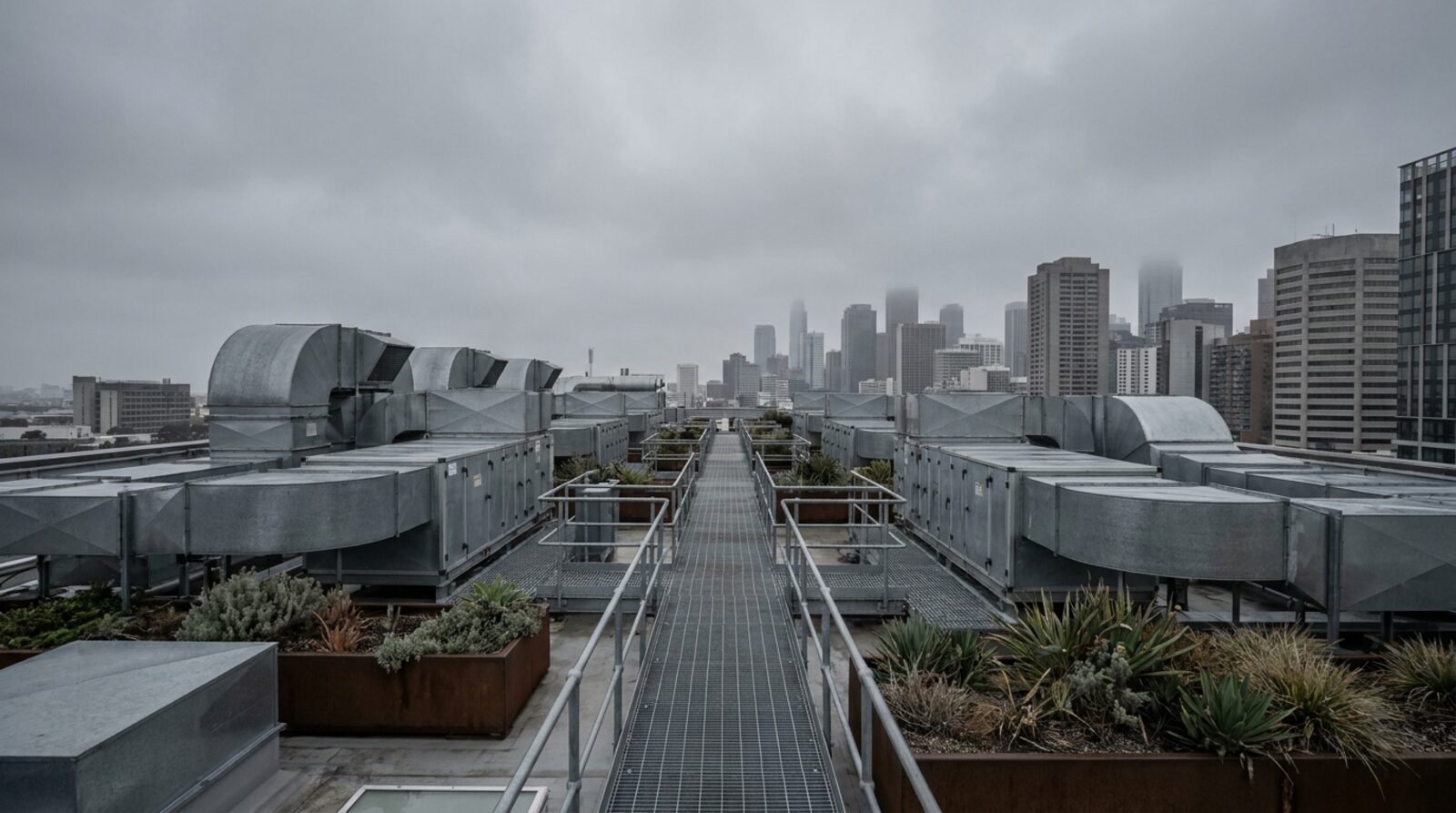
Fan ranges
Roof units
Extract at roof level, on a kerb that actually sheds water, with a cowl one person can lift to change a belt.
The range
Roof units
- Kerbs built to your roof detail
- Hinged, gas-strutted cowl
- Vertical or horizontal discharge
- Galvanised, polyester coated or stainless
- Integral speed control or remote inverter
- Bird guard and backdraught shutter options
Roof extract units are the part of a ventilation scheme most likely to be specified from a catalogue and least likely to be looked at again until it fails. The failure is rarely the fan. It is water tracking under a kerb that was never designed for the roof build-up, or a cowl heavy enough that maintenance stops happening.
We build kerbs to your roof detail rather than to a standard height, insulated where the unit sits over conditioned space, and with an upstand that suits a single-ply membrane or a standing seam rather than assuming felt. The cowl is hinged and gas-strutted, so one engineer with one spanner can open it and reach the drive.
Discharge is vertical for general extract, or horizontal where you need to keep the plume away from an intake or a neighbour’s window. Both take the same impeller range and the same speed controllers.
Numbers
Envelope
Ranges are the built envelope, not a marketing maximum. Duties near the edge get a measured curve before we quote.
| Volume range | 0.1 – 12 m³/s |
|---|---|
| Static pressure | Up to 900 Pa |
| Kerb | Made to your roof build-up |
| Cowl | Hinged, gas-strut assisted |
| Finish | Galvanised, RAL coated or 316 |
| Access | Drive reachable by one engineer |
Also built here
Other ranges
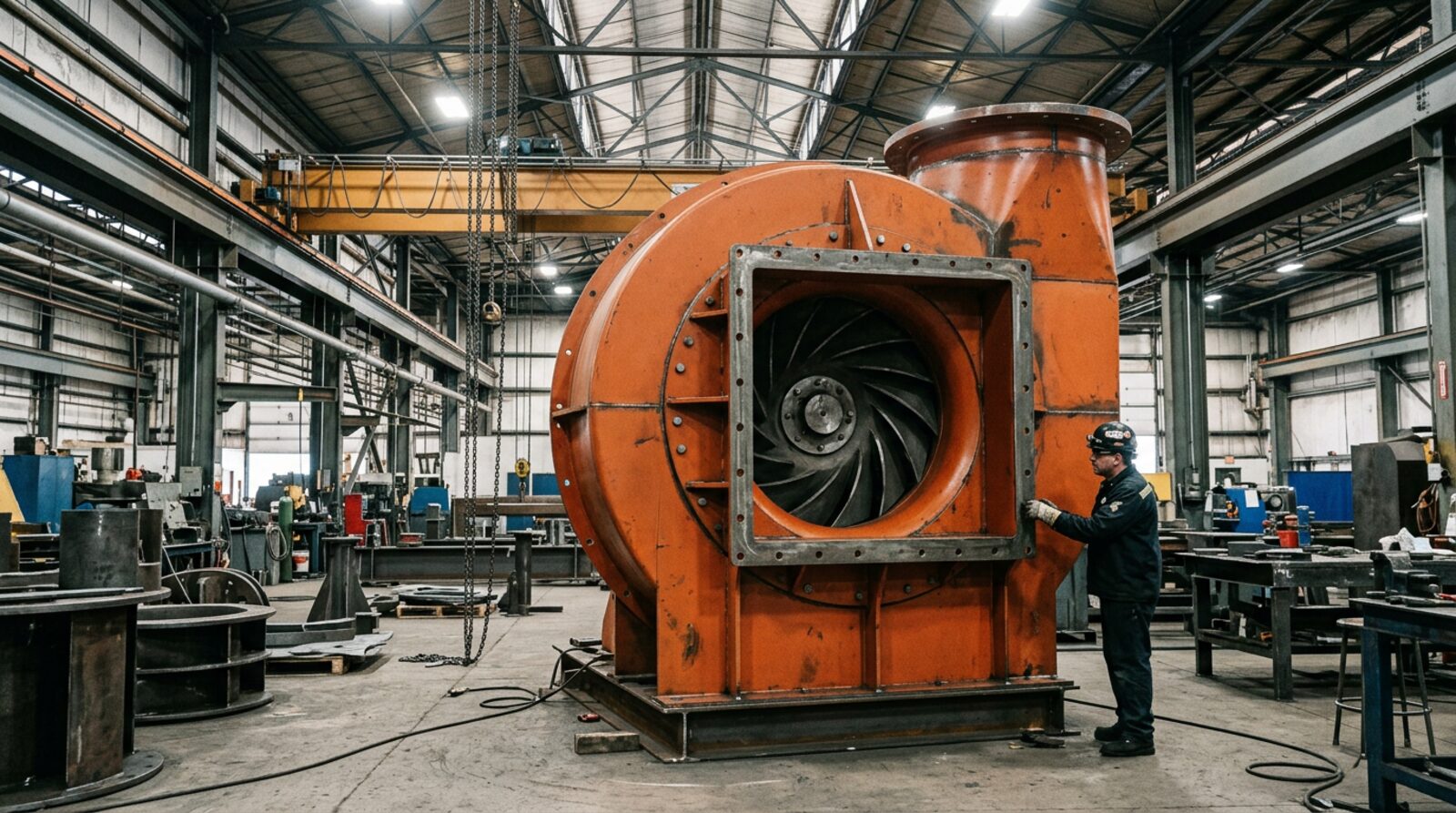
Centrifugal fans
Backward-curved and forward-curved impellers in welded steel casings, from 0.4 to 63 m³/s against static pressures to 8,000 Pa.
Specification →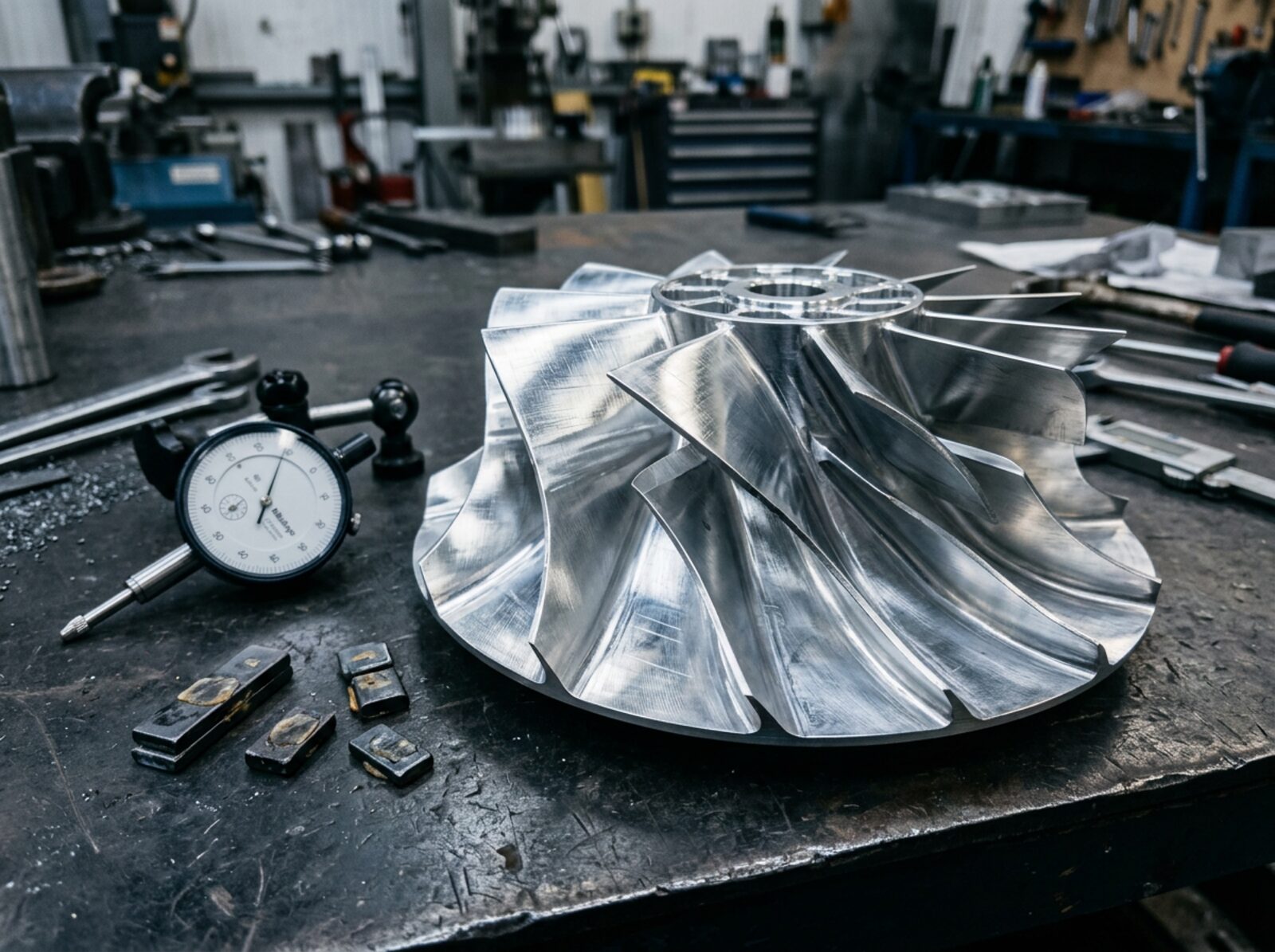
Axial fans
Cast aluminium aerofoil impellers with adjustable pitch, in short or long cased bifurcated arrangements to 90 m³/s.
Specification →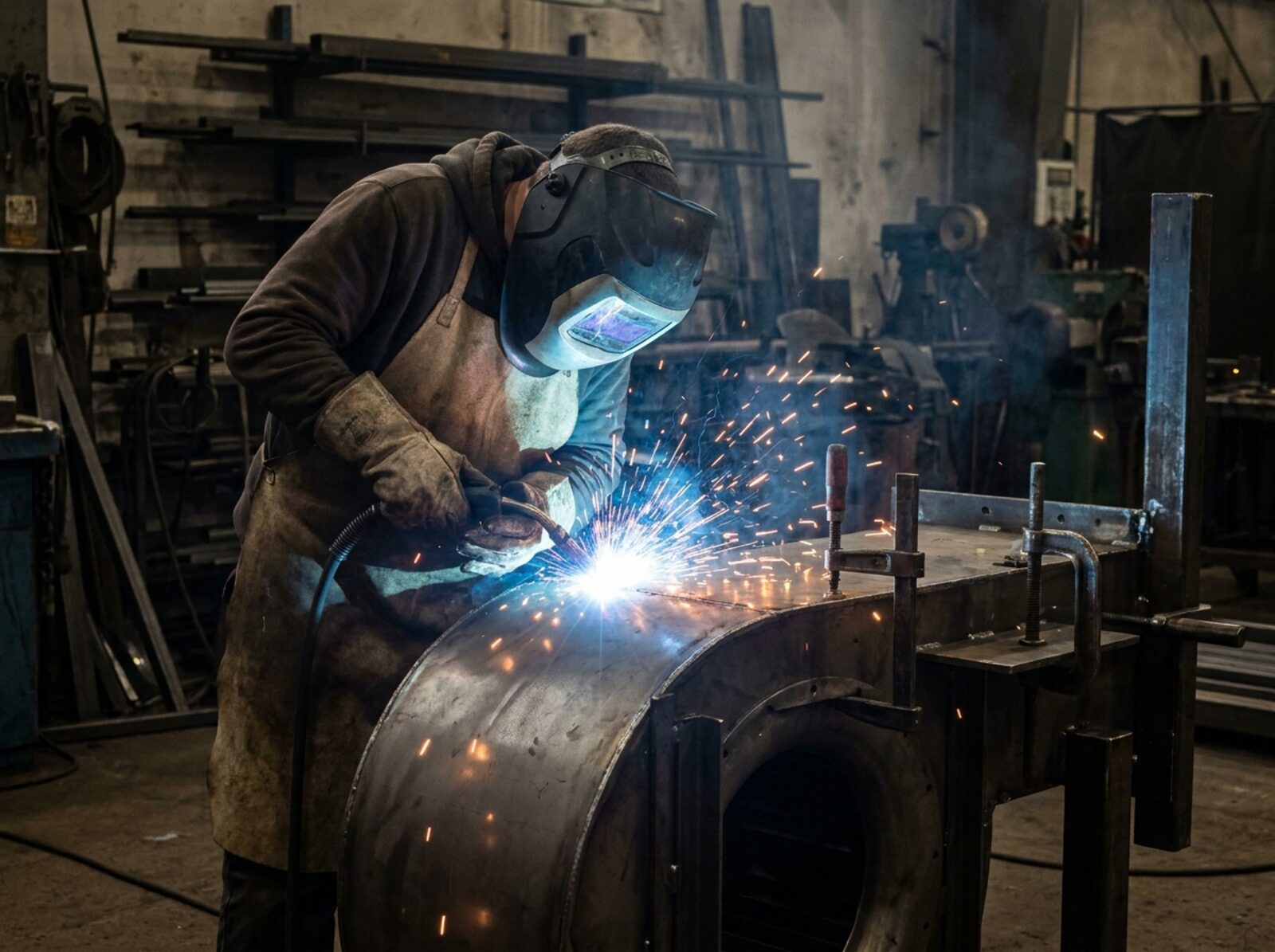
Smoke extract fans
F300, F400 and F600 rated to EN 12101-3, third-party certified, with the certificate numbers on the nameplate.
Specification →Next step
Send us the duty and we will send back a curve
Volume, static pressure, air temperature and what is in it. If you only have two of those, ring us and we will work out the rest.